 Available in US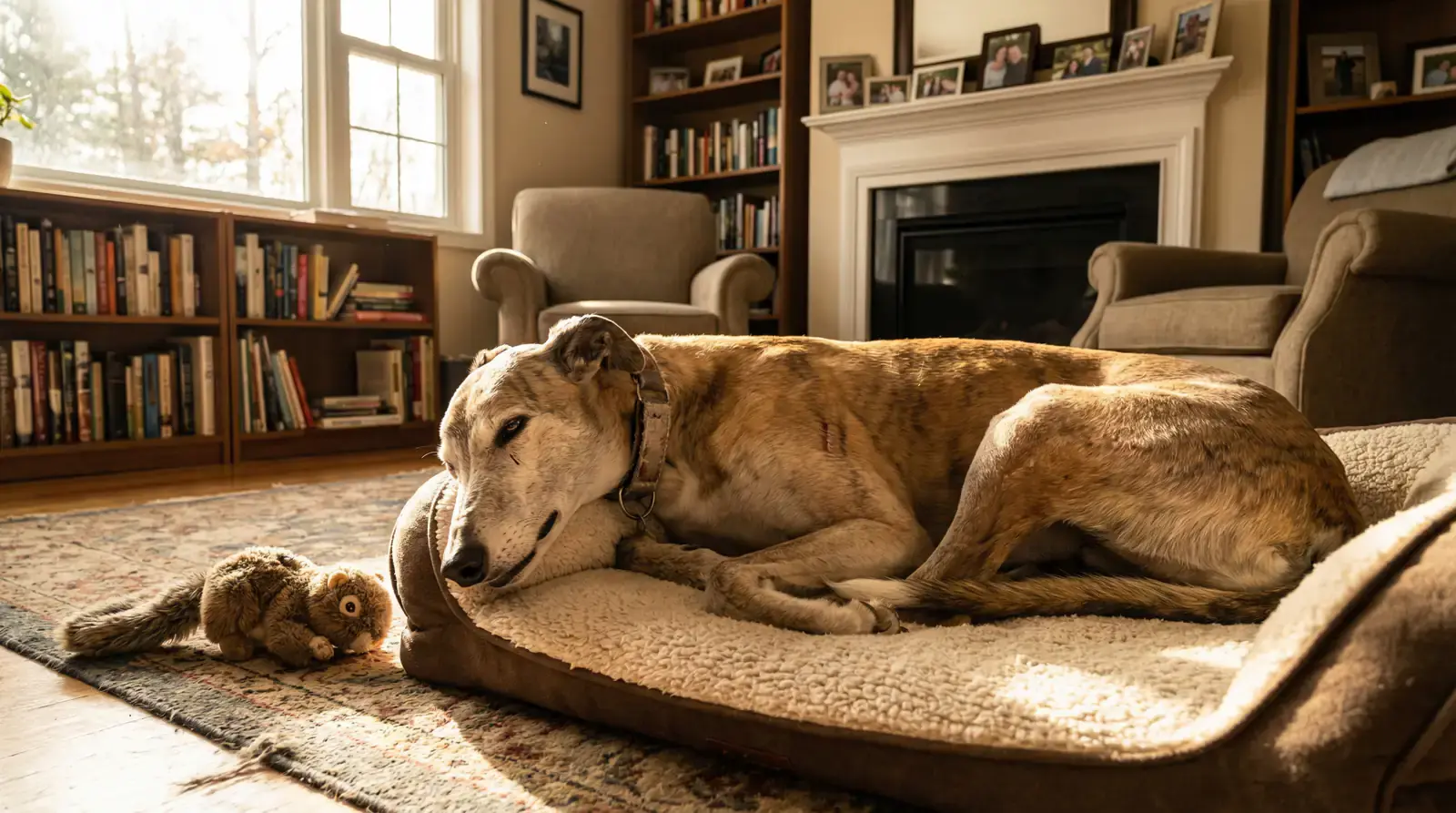
A greyhound’s racing career is short. Most dogs begin competitive racing between 15 and 24 months of age and retire between three and five years old. What happens to them during those racing years, and what happens after, is a question that every participant in the sport — trainers, owners, regulators, and bettors — has a stake in answering honestly. The welfare dimension of greyhound racing is not separate from the sport. It is embedded in the regulations that govern every race, the funding structures that support every track, and the public debate that shapes the sport’s future.
Understanding how welfare is regulated, how retirement works, and where the system’s gaps lie is relevant to anyone who engages with greyhound racing, whether at the track, through a screen, or through a bookmaker account.
GBGB Welfare Standards and Oversight
The GBGB sets and enforces welfare standards across all licensed tracks in Great Britain. These standards cover the full lifecycle of a racing greyhound from registration through active competition to retirement. The regulatory framework is detailed and, compared to the sport’s historical governance, substantially more rigorous than the light-touch oversight that characterised earlier decades.
During their racing careers, greyhounds at GBGB-licensed kennels must be housed in facilities that meet minimum standards for space, temperature, ventilation, hygiene, and exercise provision. Kennels are subject to routine inspections, and trainers who fail to meet the standards face sanctions ranging from fines to licence suspension. Veterinary oversight is mandatory at every meeting. Track veterinary surgeons examine dogs before racing and after, checking for fitness to compete and for injuries sustained during competition.
Injury reporting is a requirement. Every injury, from a minor muscle strain to a serious fracture, must be recorded and reported to the GBGB. Injured dogs are placed on the injury list and cannot race again until cleared by a veterinary surgeon. The injury data is aggregated and published, providing transparency on the frequency and severity of racing injuries across the licensed circuit. This data has become a focal point in the public debate about the sport, with welfare organisations scrutinising the numbers and the GBGB using them to demonstrate improvements over time.
Anti-doping controls are among the strictest in British animal sport. Routine and targeted testing at every meeting checks for prohibited substances that could affect a dog’s performance or behaviour. Positive tests result in disqualification of the race result, fines, suspension, and potential permanent loss of the trainer’s licence. The testing regime serves a dual purpose: it protects the integrity of the betting markets by ensuring results reflect genuine competition, and it protects the dogs from substances that could cause harm.
The Greyhound Retirement Scheme
The retirement question is the most prominent welfare issue in greyhound racing. Thousands of dogs leave the racing system every year — through age, declining form, injury, or the simple economics of a kennel that has more dogs than racing slots. What happens to those dogs when they stop running is the measure by which the sport’s welfare commitment is most visibly judged.
The GBGB operates a Greyhound Retirement Scheme funded by a levy on prize money and financial contributions from the betting industry. The scheme supports the rehoming of retired racing greyhounds through a network of approved rehoming organisations. Trainers and owners are required to notify the GBGB of the retirement of any registered greyhound and to provide information on the dog’s destination — whether it is being rehomed through an approved organisation, retained by the owner, or privately rehomed.
The traceability requirement is central to the system. Every greyhound registered with the GBGB is tracked from the point of registration through its racing career and into retirement. The goal is to ensure that no dog disappears from the system without an accounted-for destination. The reality is that the traceability system depends on accurate reporting by trainers and owners, and there have been persistent concerns about whether all retirements are reported fully and honestly. The GBGB has tightened reporting requirements over successive regulatory cycles, and the data suggests that the proportion of dogs with confirmed retirement destinations has increased. But the system is only as strong as the compliance of the individuals within it.
Funding for retirement comes from multiple sources. The BGRF (British Greyhound Racing Fund) collects contributions from the betting industry, which are directed to welfare and rehoming initiatives. Individual tracks contribute through the prize money levy. Corporate sponsorship and charitable fundraising provide additional resources. The total funding available for greyhound welfare has increased significantly in recent years, partly in response to public pressure and partly as a condition of continued regulatory acceptance of the sport.
Rehoming Organisations and Adoption
Retired greyhounds are rehomed through a network of organisations ranging from the GBGB’s own Greyhound Trust to independent breed-specific charities operating across the UK. The Greyhound Trust, formerly known as the Retired Greyhound Trust, is the largest single rehoming operation, working with kennels across the country to assess, rehabilitate, and place retired racing dogs in domestic homes.
The rehoming process typically involves a veterinary check, temperament assessment, and a period in a foster or kennel environment where the dog adjusts from the structured routine of a racing kennel to the less regimented life of a pet. Greyhounds that have spent their careers in racing environments may need time to learn behaviours that domestic pets take for granted — walking on a lead in a non-racing context, encountering stairs, living with other household animals, and adapting to the sounds and rhythms of a family home.
Greyhounds make unusually good pets, a fact that has become one of the sport’s more effective public relations assets. They are typically calm, gentle, and low-energy indoors despite their athletic build. They adapt well to domestic life, bond closely with their owners, and require less exercise than many people expect. The stereotype of a greyhound as a high-energy animal that needs constant running is wrong. Most retired greyhounds are content with moderate daily walks and spend much of their time sleeping.
Independent rehoming charities operate alongside the official scheme, and some specialise in dogs with specific needs — those recovering from injuries, older dogs, or dogs with temperament issues that require more specialised placement. The independent sector is an important part of the welfare ecosystem, filling gaps that the official scheme may not cover and providing additional capacity during periods of high retirement volume.
The Ethical Dimension for Bettors
The welfare of racing greyhounds is a legitimate concern for anyone who participates in the sport through betting. Your wagers generate revenue for the industry, and that revenue funds both the racing programme and the welfare infrastructure that supports it. Whether that equation is ethically acceptable is a personal judgement, but it is one that should be made with full information rather than comfortable ignorance.
The industry’s welfare record has improved measurably over the past decade. Injury rates have declined at many tracks, retirement traceability has increased, and the funding available for rehoming and post-racing welfare has grown. The GBGB publishes annual welfare reports that detail injury data, retirement outcomes, and investment in welfare initiatives. These reports are publicly accessible and provide a factual basis for assessing the sport’s performance against its own stated commitments.
The criticism from welfare organisations is that the improvements, while real, are insufficient. The fundamental argument is that commercial racing subjects dogs to injury risk, physical stress, and a life structured around human financial interests, and that no amount of welfare regulation makes that framework ethical. This is a philosophical position that regulatory improvements cannot resolve, because it challenges the premise of the activity rather than its execution.
For bettors who choose to engage with the sport, the practical question is whether the regulatory framework is robust enough to ensure that the dogs are treated with adequate care during and after their racing careers. The evidence suggests that the framework has improved and continues to improve, but that it remains imperfect. The gap between the regulatory ideal and the on-the-ground reality varies by track, by trainer, and by the effectiveness of enforcement. Supporting the sport through betting while remaining informed about its welfare performance, and supporting rehoming organisations directly where possible, is a position that many bettors find reasonable. Others conclude that the welfare issues are too significant to overlook. Both positions deserve respect, and neither benefits from being held in ignorance.
